

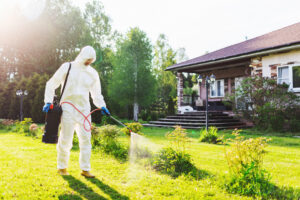
 Maintaining a pest-free exterior for your rental property requires a disciplined, continuous strategy. This is critical in places where common pests can become a serious hazard. As a property owner, adopting outdoor pest control strategies is crucial for preventing pests outside and sustaining a safe and comfortable investment property. Because pests often enter the property from outside, prioritizing the property’s exterior for pest control is a reasonable approach. The upside is that with dependable resources and guidance, you can protect your property, keep tenants comfortable, and avoid expensive damage in the long run.
Identify the Most Common Outdoor Pests
Before attempting to handle a problem, it’s essential to know what you’re up against. Usual outdoor pests for rental properties can bring costly issues, as they might damage landscaping, degrade wood structures, harm gardens, and eventually make their way indoors if unchecked. Although common pests differ by location, here are a few of the usual suspects to expect:
- Ants: Build nests in walls and under patios, infiltrate kitchens looking for food, and can cause structural damage, especially carpenter ants.
- Termites: Feed on wood and can cause severe structural damage that is expensive to resolve.
- Rodents (mice, rats, squirrels): Chew wires, insulation, and stored materials, also spreading diseases.
- Mosquitoes: Breed in stagnant water, making outdoor spaces uncomfortable and transmitting diseases.
- Wasps and Hornets: Construct nests under eaves or in trees, creating a safety hazard.
- Raccoons and Opossums: Forage in garbage, damage gardens, and can be aggressive when threatened.
- Spiders: Attracted to insects by exterior lighting and may make their way indoors.
- Scorpions: Common in the southwestern US, they conceal themselves under rocks or within crevices and may sting tenants or pets.
Stay vigilant of the common pests in your area and adjust your approach. Recognizing which common outdoor pests affect your rental property allows you to implement a sound pest management plan.
Use Smart Landscaping to Prevent Pest Infestations
An important way to deter outside pests is to make your yard less desirable to them. Easy things you can do to reduce unwanted pests include keeping bushes and shrubs trimmed at least a foot clear of your property’s siding, disposing of dead leaves, fallen sticks, and any clutter that could provide shelter for critters, and ensuring no standing water remains in pots, birdbaths, or gutters, since mosquitoes love to breed in stagnant water. If your property has a wood-burning stove or outdoor fire pit, always store firewood neatly and maintain it at a safe distance from the building to prevent termites and rodents. At the end of the day, careful landscaping choices are a straightforward but strong way to avoid pests outside.
How to Fortify the Exterior Against Pests
The next stage after proactive landscaping is making sure pests can’t easily enter the home. Begin this process by inspecting your rental’s exterior regularly for cracks, crevices, or holes that could serve as entry points. Give particular attention to siding, vents, and pipes. When gaps or damage are spotted, correct them immediately. Whenever you can, place tight-fitting screens on windows and vents, and apply weatherstripping on doors to seal gaps. Lastly, secure trash bins with proper lids to keep raccoons and rodents at bay. Careful planning and upfront maintenance are fundamental when it comes to managing pests in rental properties.
Outdoor Pest Control Treatments Every Landlord Should Know
While landscaping and sealing the property play a major role, they don’t always stop pests entirely. If pests are still a bother outside or sneaking indoors, applying an outdoor pest treatment is a smart step. These treatments add a protective layer of defense and can eradicate some of the more dangerous pests, like spiders and scorpions. Options include perimeter sprays, safe repellents, and traps for common outdoor pests. Always remember to follow local regulations and prioritize tenant safety.
For stubborn infestations that prove difficult to control, landlords should hire a licensed pest control professional to manage pest issues effectively. Once pests have already taken hold of your property’s exterior, only the services of a professional may completely resolve the concern.
Stay Ahead with Seasonal Pest Prevention Checks
As a last reminder, it is essential to incorporate outdoor pest control when completing your seasonal maintenance program. For maximum effectiveness, inspect your property’s exterior during spring and fall to spot trouble early. Pay attention to nests, burrows, leaks, or visible damage. Staying ahead of pests keeps rental operations smooth and provides a more comfortable living experience for your renters.
Partner with Experts for Long-Term Protection
Adopting a consistent outdoor pest control strategy for your rental property can save you money and stress while safeguarding the value of your rental. For help managing your property and eliminating pests, partner with Real Property Management Thrive. We work to make rental property management in Amherst efficient and worry-free! Get in touch with us today or call 603-255-4100.
We are pledged to the letter and spirit of U.S. policy for the achievement of equal housing opportunity throughout the Nation. See Equal Housing Opportunity Statement for more information.
